The liquid & fine particle advantage

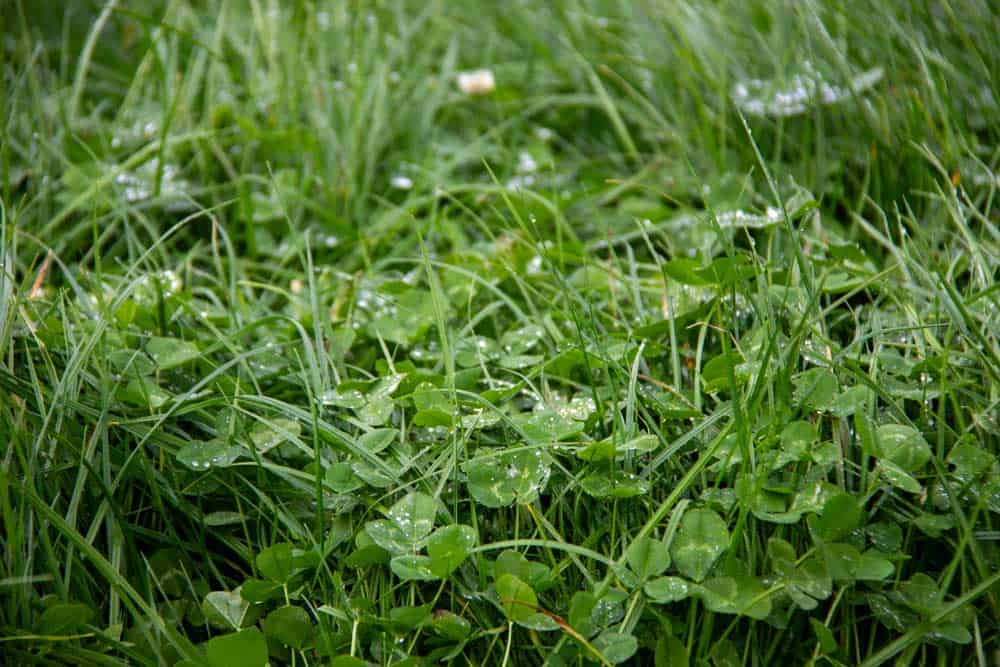
Same grass. 30–50% less nitrogen.

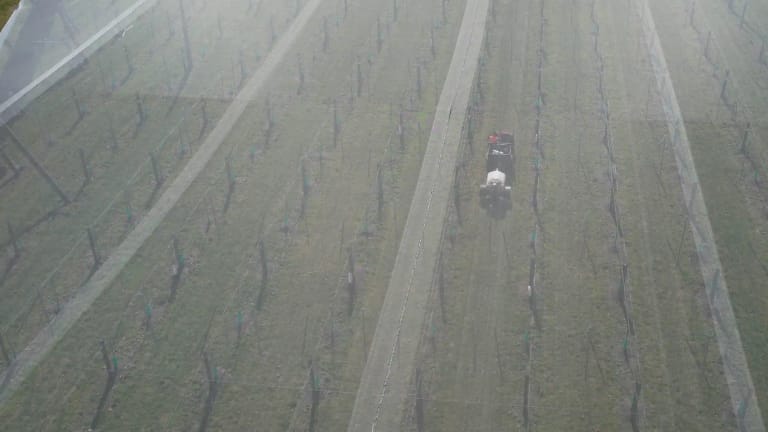
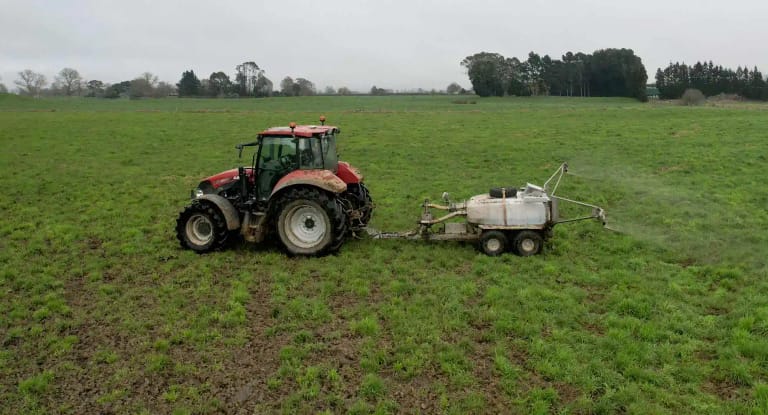
A large portion of granular urea may not even make it into the plant. Foliar feeding flips the system on its head, delivering nitrogen straight to the leaf where it gets used.

Interested in a Tow and Fert for your operation?

Get a free info pack or book a demo with our team.

Granular field efficiency

30–60%

of N reaches the plant

Foliar field efficiency

60–90%

in trials, often 2–3× higher

Visual response

2–5 days

vs 7–14 for granular

Where the difference comes from

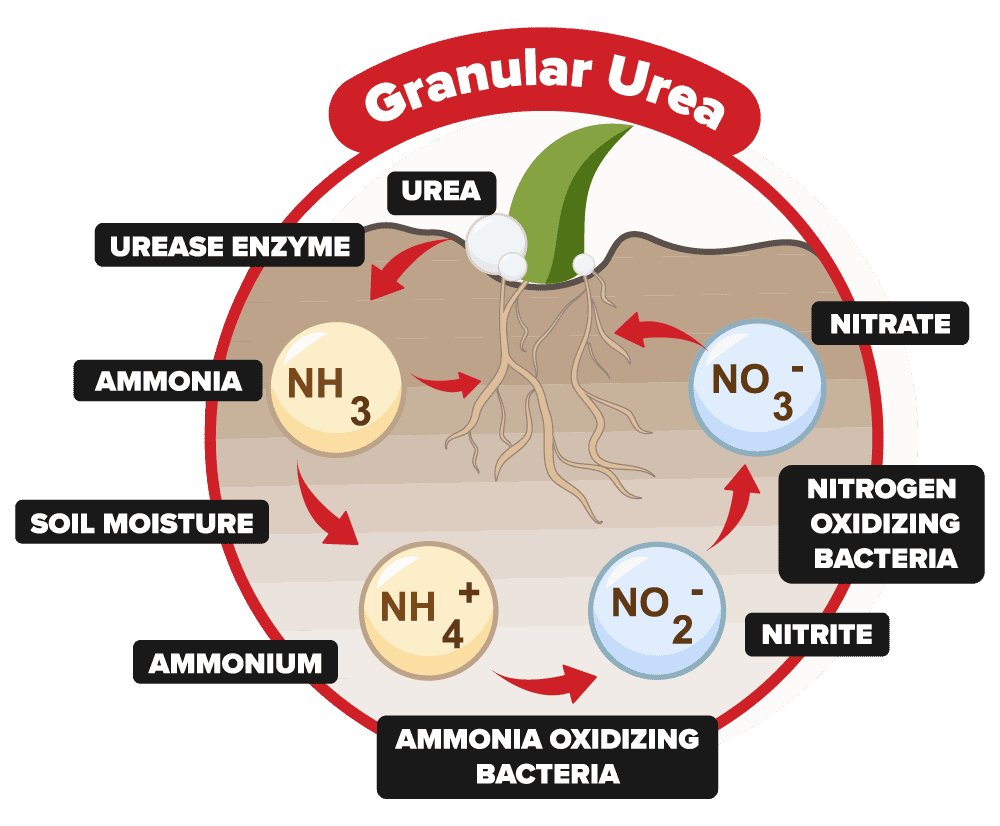
Granular Urea Pathway

Granular Urea Pathway

  1. Dry urea granules sit on the soil surface after spreading.
  2. Soil urease converts urea to ammonia, which becomes ammonium in soil moisture.
  3. Nitrifying microbes first oxidise ammonium into nitrite in the soil.
  4. Other microbes then convert nitrite into nitrate, completing nitrification.
  5. Roots absorb ammonium and nitrate from the soil solution.
  6. The plant uses more energy to turn soil‑derived nitrate and ammonium into amino acids and proteins.

Six steps. Lots of weather, soil and timing risk.

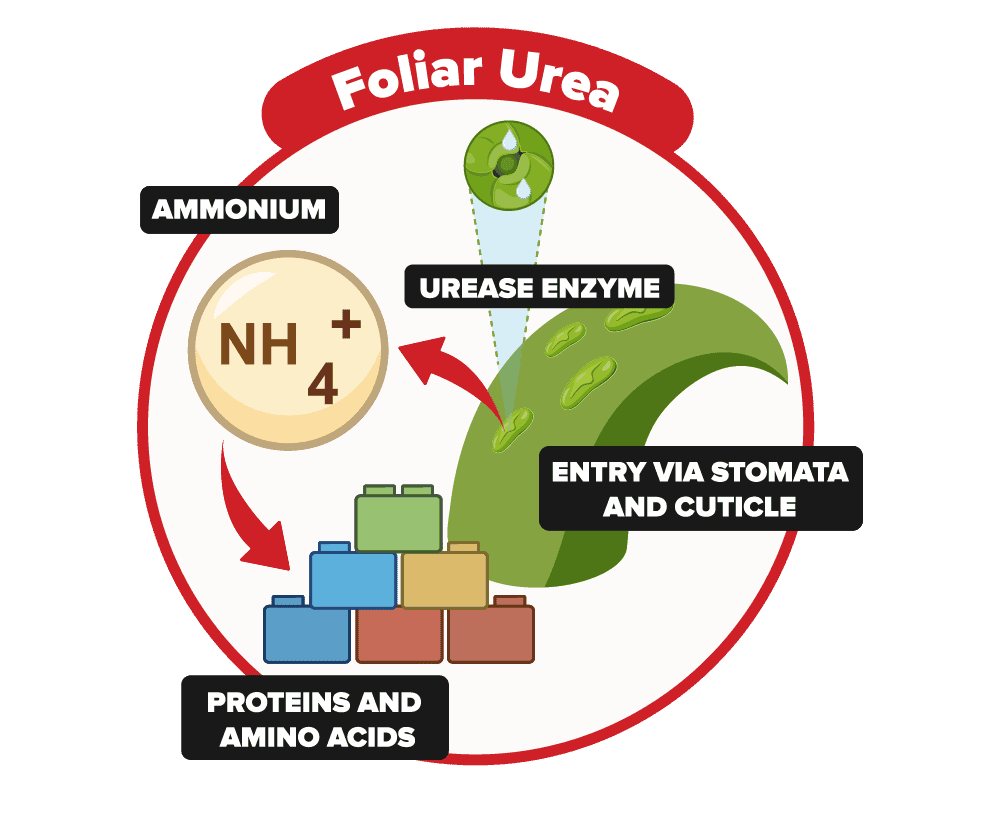
Foliar Urea Pathway

Foliar Urea Pathway

  1. Fine urea spray lands on the leaf and quickly moves in through stomata and cuticle.
  2. Leaf urease enzymes turn urea straight into plant‑ready ammonium inside the leaf.
  3. That ammonium is rapidly built into amino acids and proteins to drive growth with less energy cost.

Three steps. Bypasses the soil losses entirely.

Where granular nitrogen goes

Three loss pathways quietly work against every kilogram you spread.

Volatilisation

5–40%

Lost as ammonia gas to the air

Leaching

3–20%

Washed below the root zone

Denitrification

2–15%

Off-gassed in wet, anaerobic soils

Why it works: little and often

Large single applications are wasteful when conditions don't play ball. If the weather turns wet, nitrate leaches. If it turns warm and dry, urea volatilises. If soils are compacted or saturated, you lose more to denitrification. Smaller, more frequent applications carry less risk on any single day, because there is less nutrient sitting in the soil waiting for something to go wrong with it. That generally means better use of what you put on, and many farmers find they can grow the same or more dry matter on a lower total annual fertiliser load. It also matches how the plant actually works. Pasture demand for nitrogen, sulphur and trace elements rises and falls through the season, and a steady drip-feed lines up with that better than a big hit every few months. You get more consistent growth, fewer boom-and-bust flushes, and pasture that holds quality for longer rather than surging into rank, high-N feed that the stock can't graze through efficiently. Feed supply smooths out, which makes the whole grazing rotation easier to plan.

Per pass

10–20 units N/ha

Within the leaf's actual uptake capacity

Per year

8+ passes

Timed to the grazing round

Total annual N

30–50% less

Same or better pasture production

See it on your paddock

We'll bring a Tow and Fert to your farm, mix a tank with your inputs, and spray a paddock so you can judge for yourself.

Book a free on-farm demo

No cost. No obligation.