Rex Harris
Byron Shire, NSW, Australia
This story was filmed in 2020 and reflects one farmer’s own experience with their Tow and Fert. Every farm is different, so please treat it as a story rather than a forecast for your place.
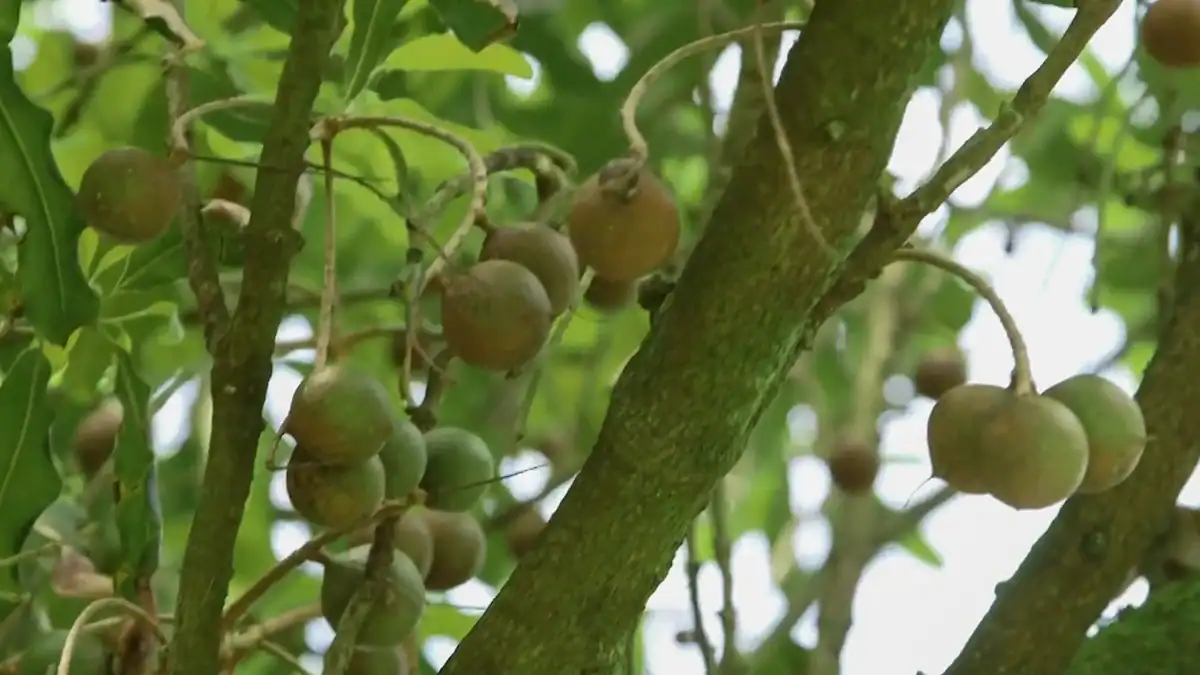
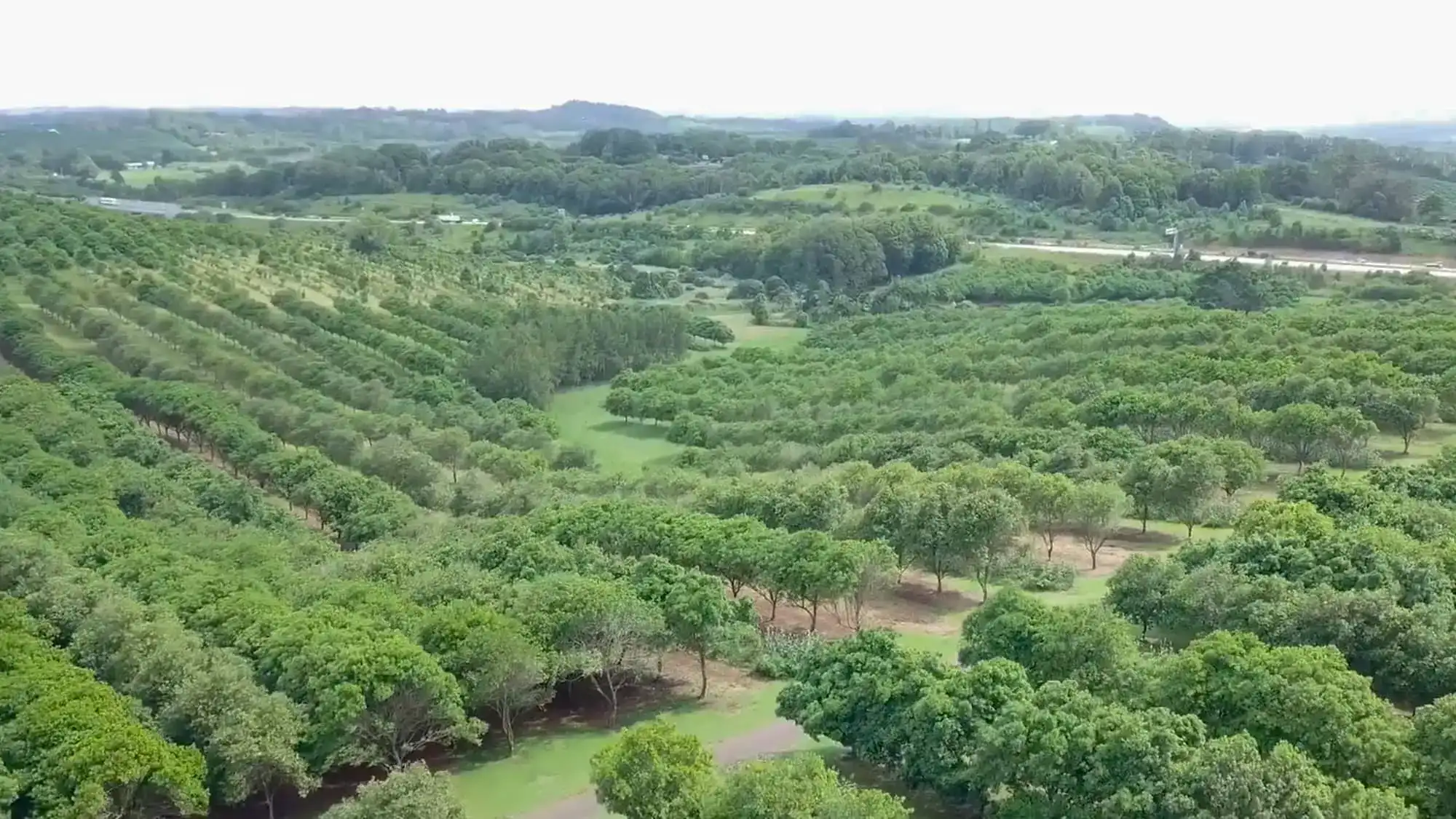
Rex Harris and his family run Piccadilly Park, a 60 hectare macadamia plantation near Bangalow in the Byron Shire, home to around 16,500 trees. Eleven years ago, they made the decision to move to regenerative practices, stepping away from chemical fertilisers, pesticides, insecticides and fumigants in favour of a more natural approach.
That shift meant rethinking a lot of what they’d done before, including how they applied lime. The farm’s volcanic soils are naturally acidic, with high aluminium toxicity that lime is needed to correct. The problem was the lime itself. Fine enough to do the job properly, but fine enough that spreading it created serious problems of its own.
I’ve been very, very embarrassed where I’ve put out super fine lime with a spreader and it’s gone airborne, probably for 5 or 6km from this farm down into the local village. It’s gone inside all my neighbours’ houses, cars, and it was a disaster.
Beyond the mess, the logistics were awkward too. Lime came from a contractor, application was on someone else’s schedule, and conditions weren’t always right when the truck arrived.
Where you have lime supplied by a contractor, and then a separate person is on a schedule to come and put it out, you’re forced to have it put out in conditions that aren’t suitable.
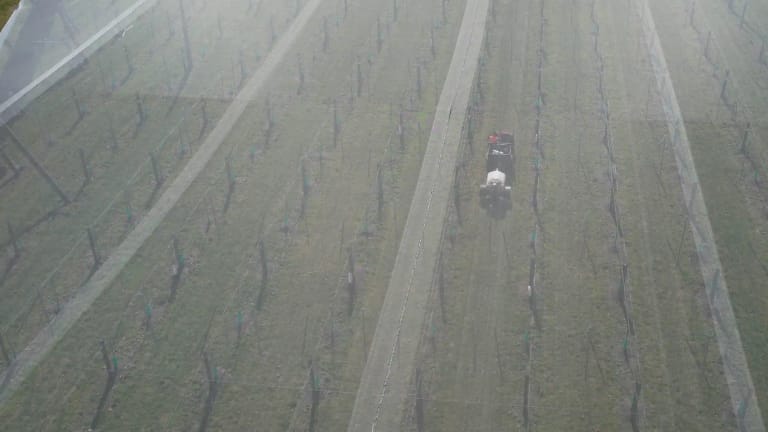
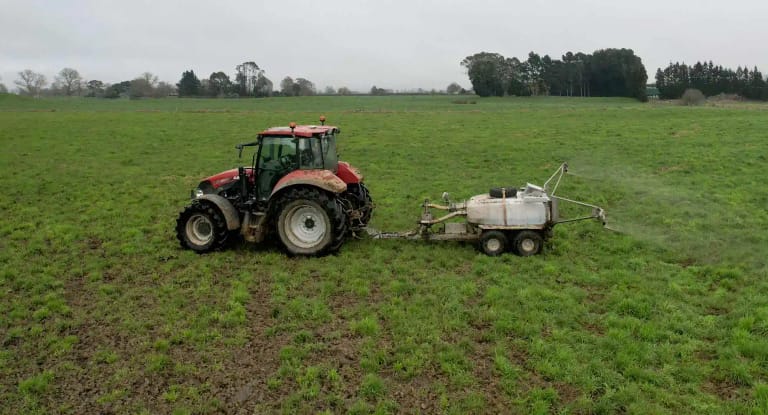
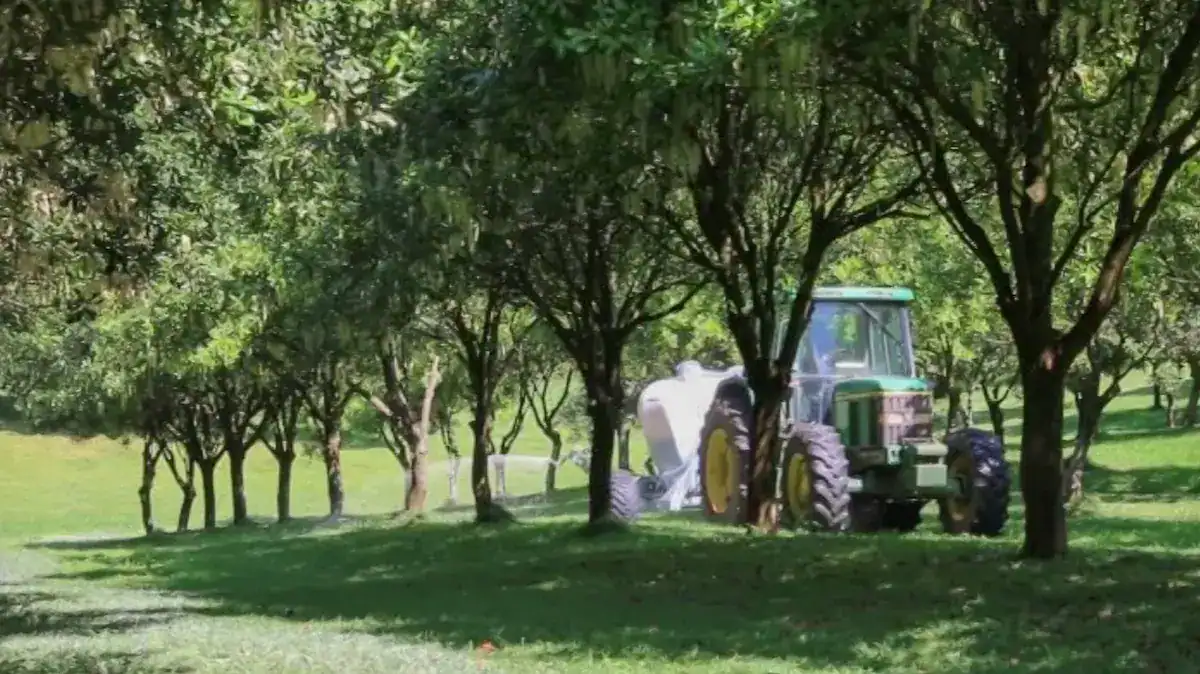
Bringing a Tow and Fert onto the farm changed that. By dissolving the fine lime and applying it as a liquid, Rex can put it out whenever conditions suit, rather than working around someone else’s calendar.
Now, with the equipment that we’ve just purchased from Tow and Fert, we can put our lime out in a liquid form whenever we like, in whatever weather, and to suit our own program.
Thinking about Tow and Fert?
Talk with a specialist
Tell us about your operation and we’ll match the right model and setup for you.
The lime sits inside a much broader regenerative system the Harris family has been building over the past decade. Alongside a long-term canopy management program, thinning trees to bring light back into the orchard floor, they’ve moved from monoculture to diverse cover cropping between the rows: sunflower, sorghum, lablab, cowpea, mung bean, flax, buckwheat, clovers, lucerne and sainfoin among them. Deep-rooted and legume-rich, the mix is chosen to fix nitrogen, feed soil biology, and build carbon. Rex says soil carbon on the farm has climbed from around 4% to 10% over ten years as part of this wider programme.
That biological activity has made the lime itself easier to work with, in Rex’s experience. As cover crop roots open up the soil and die back, they leave channels that Rex says let liquid lime move deeper into the profile, part of the broader approach he’s used to address the aluminium levels in his soil.
As these plants are opening up our soil, the roots, when they die, they’re leaving channels, it’s allowing us to get that lime a lot deeper, and to neutralise the aluminium toxicity that we have.
The Tow and Fert has found a second role on the farm through Rex’s son, Daniel, who trained in regenerative agriculture and now brews his own biofertilisers on site using paunch sourced from a local abattoir, split, diluted and brewed with molasses and milk powder.
If we need magnesium, or iron, or copper, or whatever element that we need on the farm, he uses that microbe base to chelate those minerals to make them plant available. Tow and Fert is a perfect tool for applying that product.
Between the lime programme, the cover cropping, and the biofert brewing, Rex is happy with where the farm has landed.
Production’s going really well, everything’s really healthy. We’re getting a really nice bonus for the quality of the nuts we’re growing. So we’re very happy, very happy with it.